
Thinking Clearly Under Pressure
There are moments in school when things change very quickly.
People talk. Someone says something. Others repeat it. And suddenly, everyone seems to know what happened.
But sometimes, no one really does.
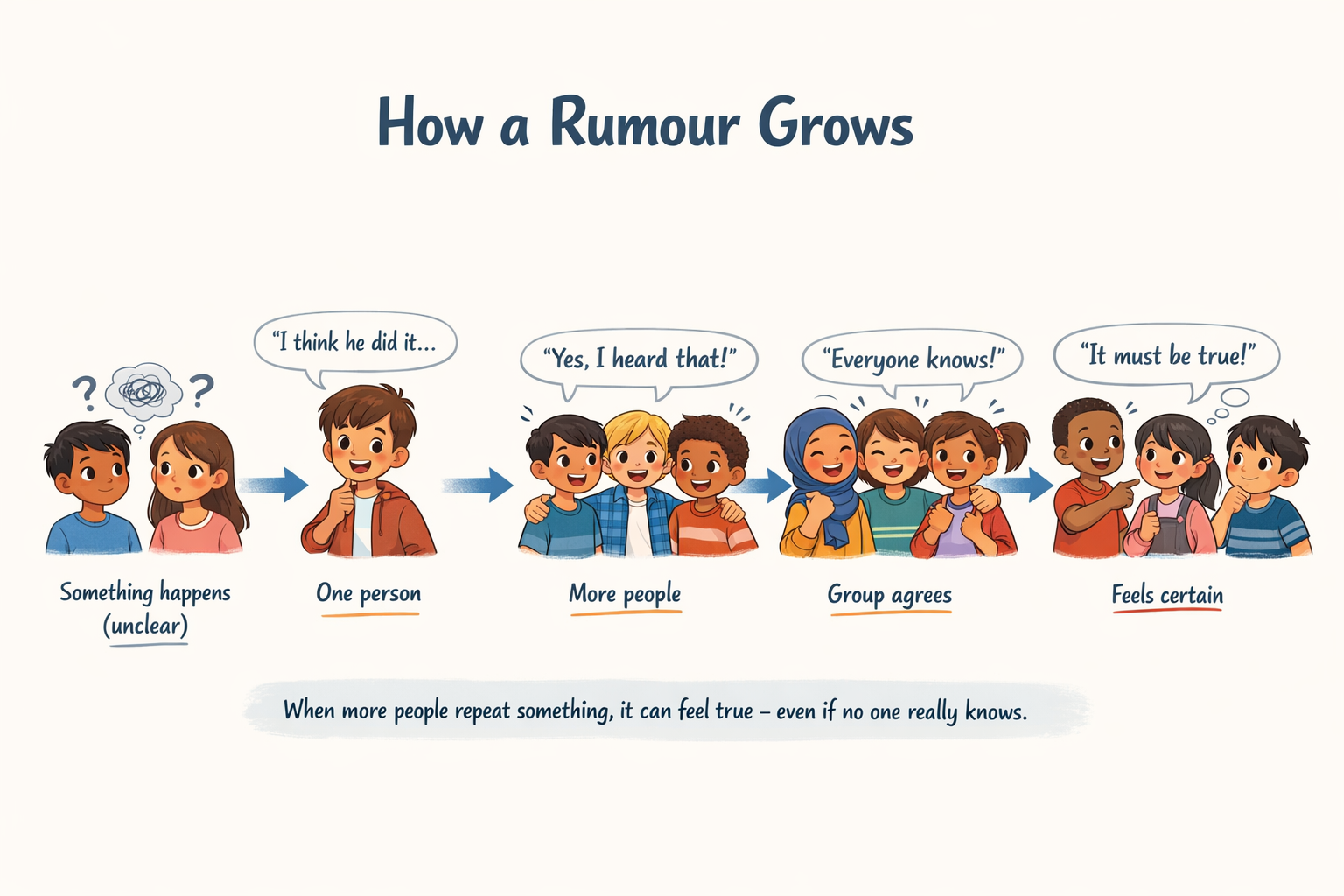
A moment you may recognize
When many people say the same thing, it can feel true.
Why this happens
We naturally look at others to understand what is going on.
If many people seem sure, it feels easier to agree.
We are built to stay with the group.
Another situation
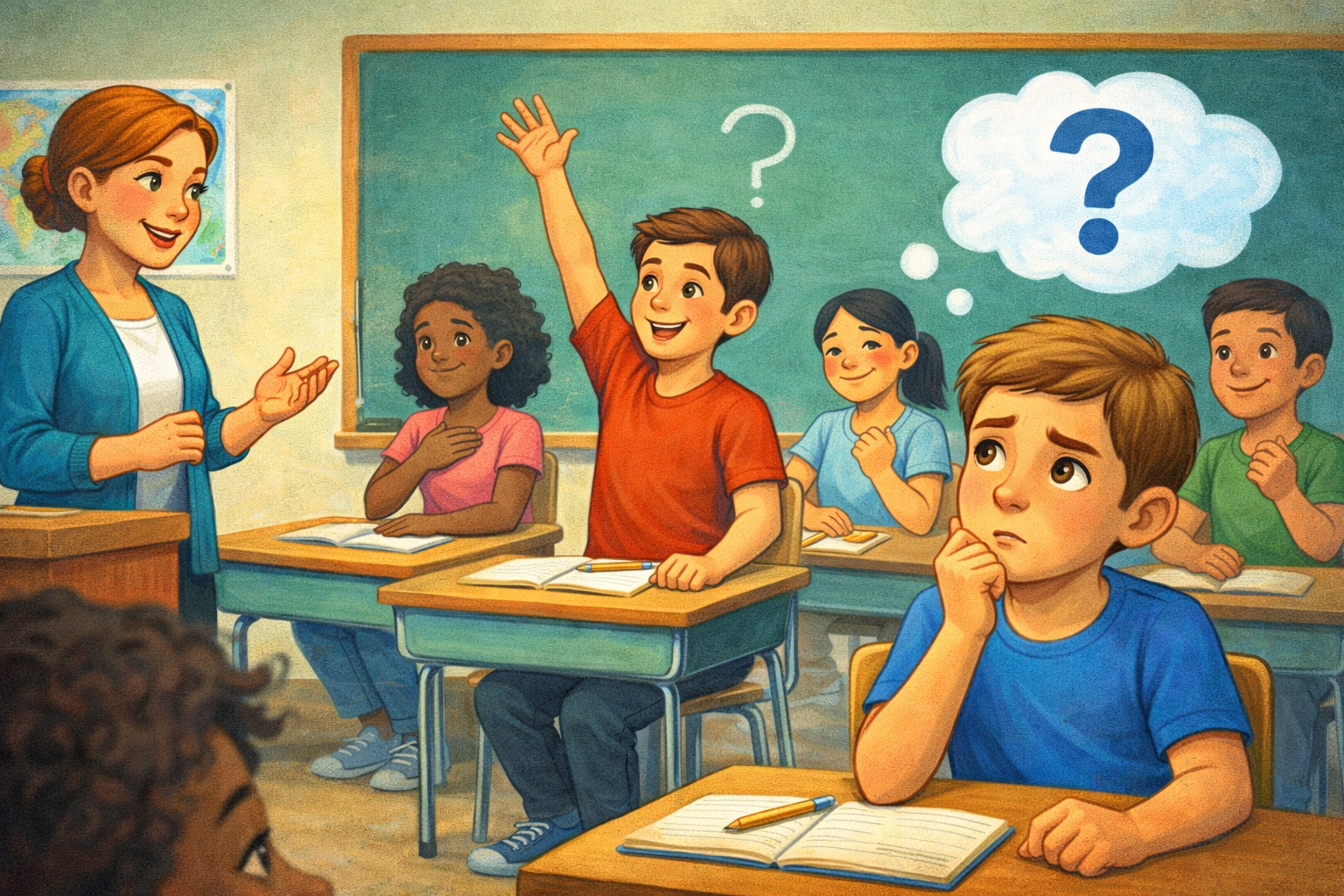
It can feel difficult to be the only one unsure.
Sometimes silence happens not because people agree, but because speaking feels harder.
When things move fast
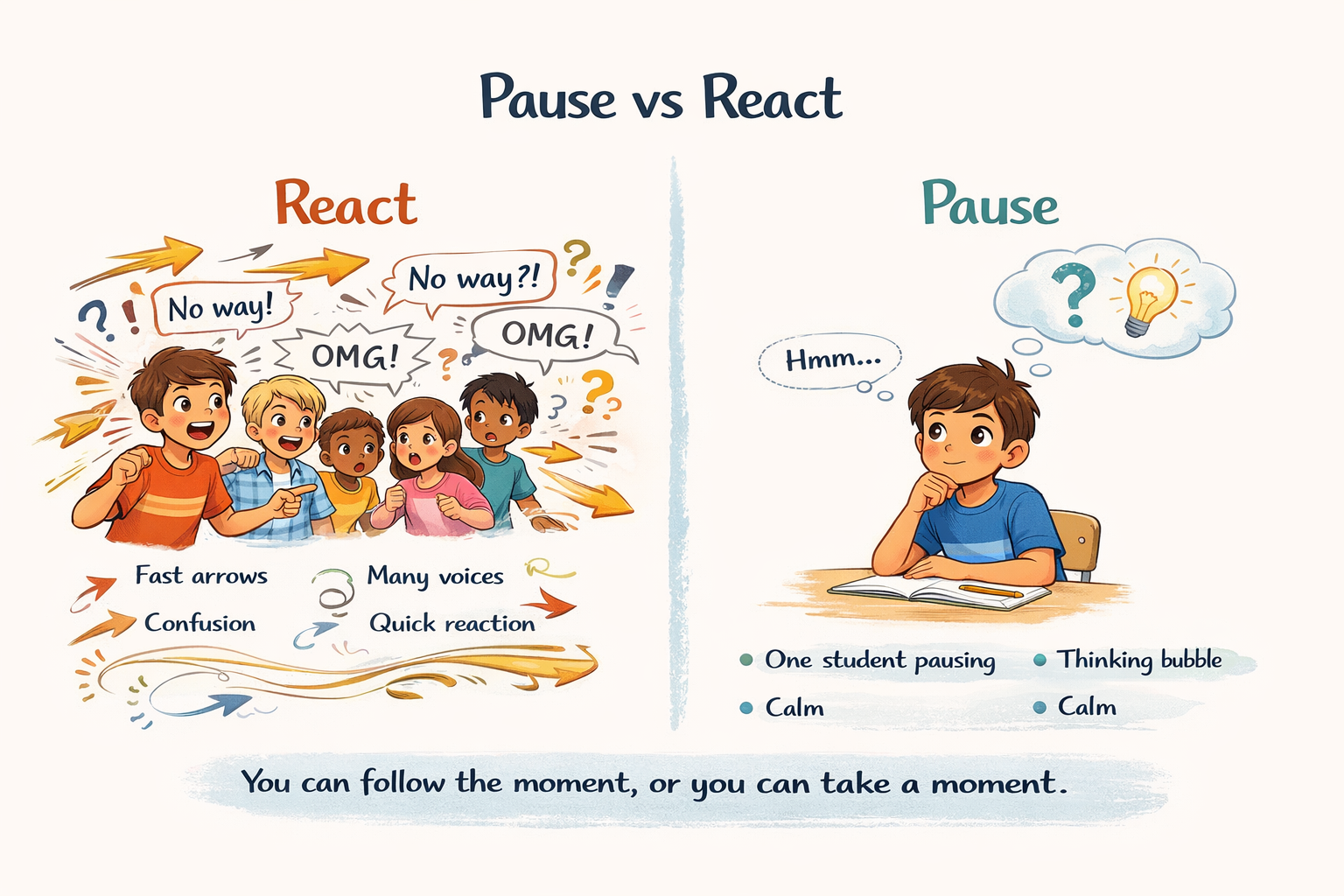
When no one slows down, mistakes grow quickly.
A simple idea
Just because many people say something, does not mean it is true.
Just because something feels urgent, does not mean you must decide immediately.
Taking a moment to think is a strength.
What you can do
- Pause before you agree
- Ask what is actually known
- Notice when things feel rushed
- Be comfortable saying “I am not sure”
“I am not sure” is not weakness. It is honest thinking.
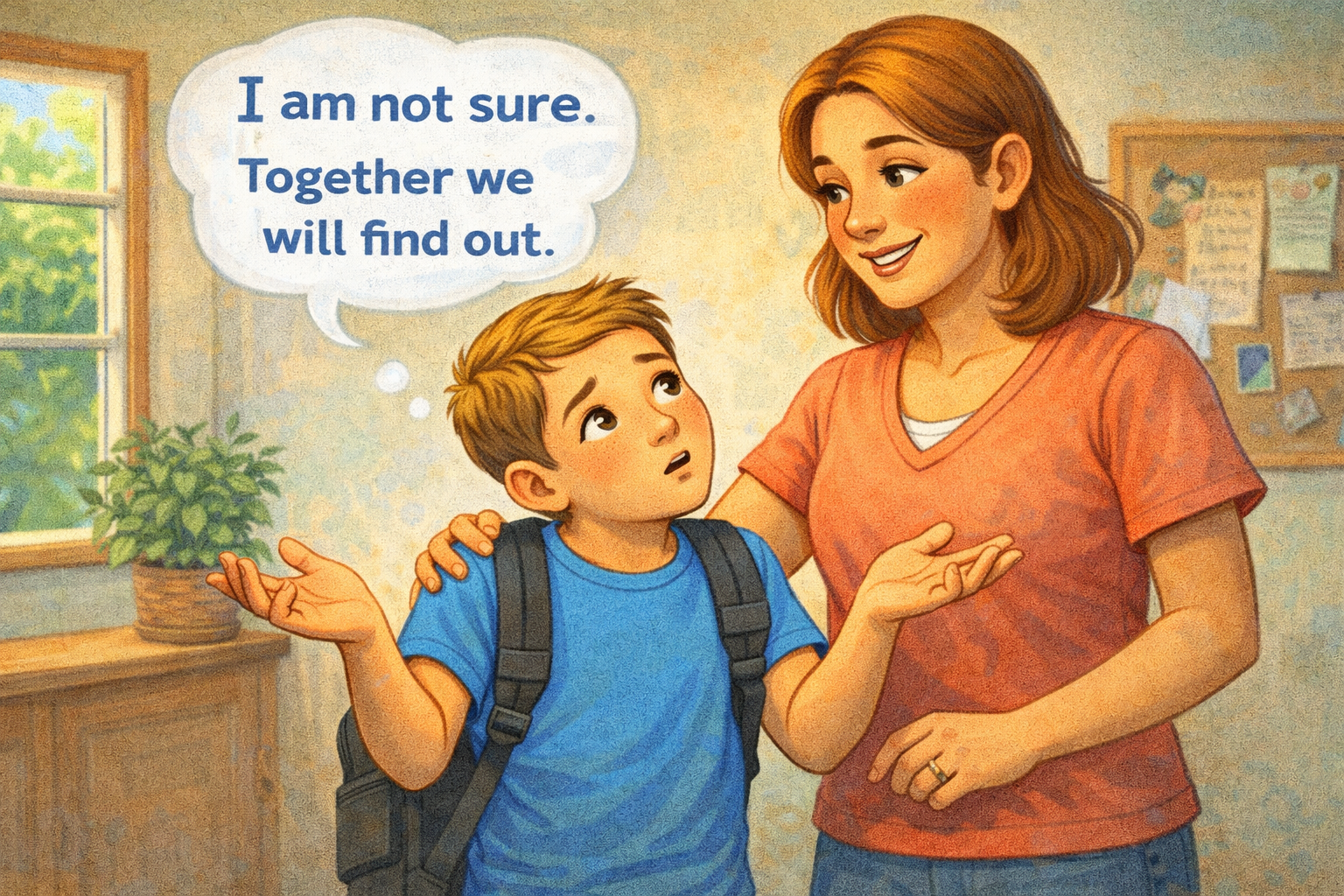
Who can you ask?
You do not have to work everything out alone. Sometimes the best next step is to ask a trusted adult.

Try this together
Work in small groups.
- Read one of the stories again
- Decide what is fact and what is guess
- Think of a better way the group could respond
There is no single correct answer. The goal is to think carefully.
Why this matters
- It helps you be fair
- It helps you avoid mistakes
- It helps you stay calm under pressure
These are not just school skills. They are life skills.
If you understand this, what will it be like?
You will not believe everything the moment you hear it. You will be better at pausing, thinking, asking, and deciding carefully.
Teacher Note
This page works well as a short discussion lesson, around 20 to 30 minutes.
Allow students time to respond before guiding them. Encourage multiple viewpoints, but maintain a respectful environment.
The aim is not to reach a single answer, but to develop awareness of how quickly assumptions form under pressure.
When more people repeat something, it can feel true – even if no one really knows.
